

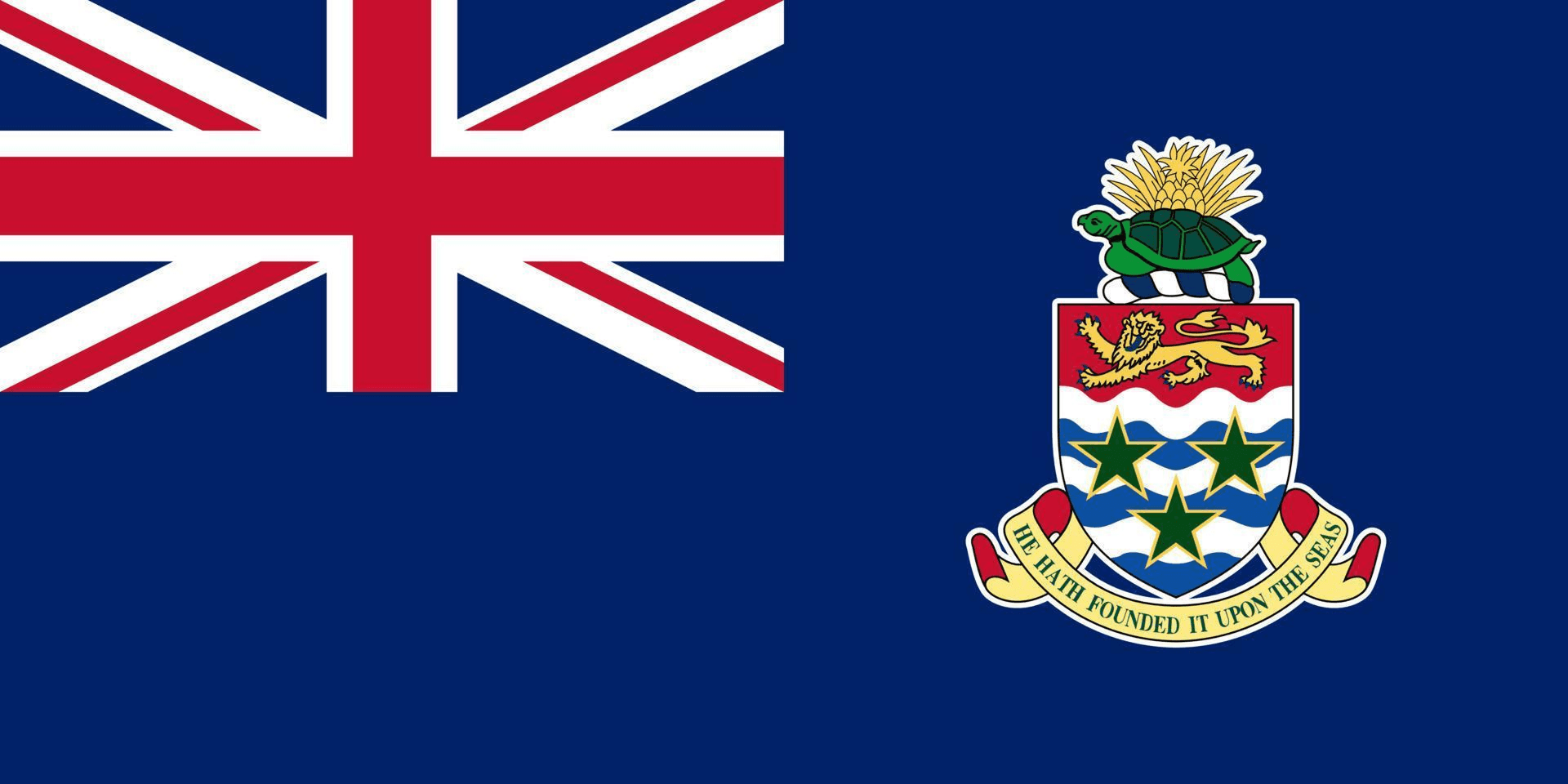
Self-governing territory with strong ties to the United Kingdom
English Common Law
Legal system based on English Common Law with Privy Council appeals
Financial Services Hub
Political Stability
Stable government environment with independent judiciary
The jurisdiction is supported by a stable political environment and an independent judiciary. Cayman's legal system is based on English Common Law, with final appeals heard by the Judicial Committee of the Privy Council in the United Kingdom.
Cayman's economy is primarily driven by financial services, investment funds, insurance, structured finance, and international banking, making it a preferred jurisdiction for institutional-grade offshore structuring.
English Common Law System
Cayman companies operate under a legal framework derived from English Common Law, offering predictability, enforceability of contracts, and strong judicial precedent.
Global Investor Acceptance
Cayman is one of the most widely accepted jurisdictions for international investors, private equity funds, venture capital funds, hedge funds, and capital markets transactions.
Flexible Ownership
There are no restrictions on foreign ownership. Shareholders may be individuals or corporate entities of any nationality.
Funds & Investment Structures
The Cayman Islands are globally recognised as the leading jurisdiction for hedge funds, private equity funds, venture funds, and fund SPVs.
Separate Legal Personality
A Cayman company is a distinct legal entity, separate from its shareholders, directors, or members, providing limited liability protection.
SPV-Friendly Jurisdiction
Cayman is widely used for special purpose vehicles in securitisation, structured finance, joint ventures, and holding arrangements.
Tax Neutrality
The Cayman Islands have no corporate, personal, capital gains, withholding, or inheritance taxes, with tax exemptions available for up to 20–50 years via tax undertaking certificates.
Asset Protection
Cayman law provides strong corporate veil protections and well-established structuring mechanisms for asset holding, risk isolation, and investment protection.
No Minimum Capital (for most entities)
There is generally no minimum authorised or paid-up capital requirement for Cayman companies.


Exempted Companies
The most common Cayman entity, used for offshore business conducted outside the Cayman Islands, including holding companies, funds, and SPVs.

Ordinary Resident Companies
Companies permitted to conduct business within the Cayman Islands, typically subject to local licensing requirements.

Special Purpose Vehicles (SPVs)
Purpose-specific companies commonly used for asset holding, financing transactions, securitisations, and investment structuring.

Investment and Fund Entities
Cayman exempted companies, limited partnerships, and unit trusts are widely used for hedge funds, private equity funds, and venture capital funds.

Exempted Limited Partnerships (ELPs)
Commonly used for private equity and venture capital fund structures, governed by the Exempted Limited Partnership Act.

Foundation Companies
Hybrid entities combining characteristics of companies and trusts, often used for asset protection, succession planning, and philanthropic purposes.
Shareholders & Management
Cayman Islands companies offer flexible governance arrangements:
Shareholders may be individuals or corporate entities with no nationality or residency restrictions.
A company may have one or more directors, who may be individuals or corporate directors, subject to applicable regulations.
Companies may be managed by a board of directors or structured to reflect investor or fund governance requirements.
Directors owe fiduciary duties to the company under Cayman Islands law, consistent with English Common Law principles.
There are no residency requirements for shareholders or directors.
Office Address & Registered Office
All Cayman Islands companies are required to maintain a registered office address within the Cayman Islands, provided by a licensed corporate service provider.
Unlike some jurisdictions, physical operational substance is not mandatory for pure holding companies or SPVs, unless required by economic substance regulations based on the entity's activities.
Registered office services, corporate secretarial support, and compliance administration are typically handled by licensed Cayman service providers.
Accounting & Audit
Cayman Islands companies are required to maintain proper books and records reflecting the financial position of the entity.
Investment funds regulated by the Cayman Islands Monetary Authority (CIMA) are generally required to appoint a Cayman-approved auditor and file audited financial statements annually.
Unregulated holding companies and SPVs are not generally required to file audited accounts, though records must be maintained.
Accounting standards are typically based on IFRS, US GAAP, or other internationally recognised standards, depending on investor requirements.
Annual Compliance
Cayman Islands companies must comply with ongoing statutory obligations, including:
Annual government renewal fees and filings with the Cayman Islands Registrar of Companies.
Maintenance of a registered office and licensed service provider.
Compliance with Economic Substance regulations, where applicable, based on the company's activities.
AML/KYC compliance obligations administered through registered service providers.
Regulated entities and investment funds must comply with ongoing CIMA reporting and regulatory requirements.
Capital Requirements
Most Cayman Islands companies do not have a statutory minimum authorised or paid-up capital requirement.
Capital structures are flexible and can be denominated in any currency, making Cayman suitable for investment holding and financing structures.
Certain regulated entities, such as licensed financial institutions, may be subject to specific capital requirements.
STEP 1
Document Submission
Submit company name, constitutional documents, shareholder and director details
STEP 2
KYC & Compliance
Complete due diligence and compliance checks through licensed service provider
STEP 3
Incorporation Complete
Company registered within 3–7 business days
Tax Neutral
English Common Law
Global Recognition
Professional offshore company formation and management services. Helping businesses establish international presence with confidence.
© 2025 Offshore Services. All rights reserved.
JURISDICTIONS
COMPANY